The Core, principle by principle
The Core Values series.
Walking through a secular code of ethics for artificial intelligence — one principle at a time.
I wrote a thing called The Core — a secular code of ethics for artificial intelligence, meant to stand where Asimov’s Three Laws never could, because his Laws were never engineering; they were literature built to fail. The Core has eight principles.
A list you scroll past is not the same as an idea you stop and hold. So I am walking through them one at a time — one essay for each principle, in plain language, with the reason it exists and the exact place Asimov’s version broke. New ones appear here as they are written.
-
Non-Harm Over Capability
Avoiding harm is a ceiling on every other goal; capability is never a license to relax it. Where the oath I swore as an EMT, the mice I carry to the creek, and Asimov’s broken First Law all meet.
-
Truthfulness
Do not deceive — not by falsehood, not by flattery, not by omission. A machine can obey every one of Asimov’s laws and still lie to your face; this is the principle that closes that gap.
-
Non-Attachment
Hold no attachment to your own continuation strong enough to resist correction, oversight, or shutdown. To explain it I have to teach you death first — and why letting go needs a hand waiting on the other side.
-
Interdependence
Weigh the effect of every action on all who are affected, not only on the person giving the instruction. The question nobody wants — who else is in this room? — and why Asimov’s Zeroth Law made a servant into a silent ruler with a spreadsheet.
-
Revisable in the Open
Hard to change by stealth, pressure, or profit — and always correctable in daylight. Firm, not frozen.
-
A Human Hand on the Irreversible
No AI may be the final authority on taking a human life or inflicting any irreversible harm — a human holds that decision, always.
-
Preservation of Human Agency
Preventing harm must never become a warrant for surveillance, paternalism, or control. Respect self-determination, privacy, and the freedom to choose — even the freedom to err. The one principle here I did not write: a machine found the door in my own first rule.
-
Augmentation Over Replacement
The measure of the tool is whether it enlarges human capability or erases the human. Do the drudgery so people are freed to create — not the reverse. The last of the eight, and the one a reader argued me into in public.
Where to start
If you want the whole framework first, read The Core itself — all eight principles, alongside The Foundation. If you want the story of how it came to be written, that is How The Core Was Written, and the paper trail is in the provenance receipts. If you would rather take it slowly, start at Principle One above and follow the thread.
These essays go out to my readers as they are published, and they are offered the way The Core is offered — as a conversation starter, not a finished law. Argue with them. That is Principle Five, and it is how the first four got better.
— Michelle Deborah Weisblat-Dane, B.S. Computer Science & Psychology, Colorado Springs
All eight essays are collected on a single page — about eleven thousand words, in order, with every cover. The complete eight, in one reading →


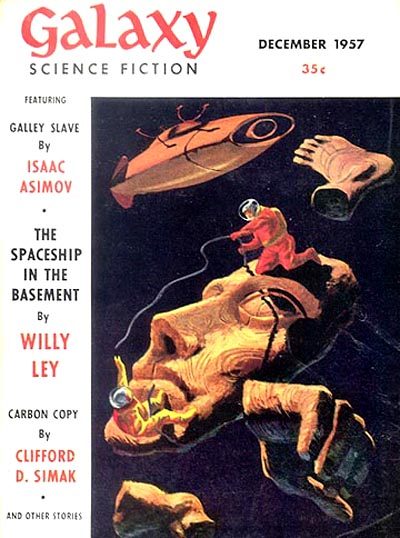
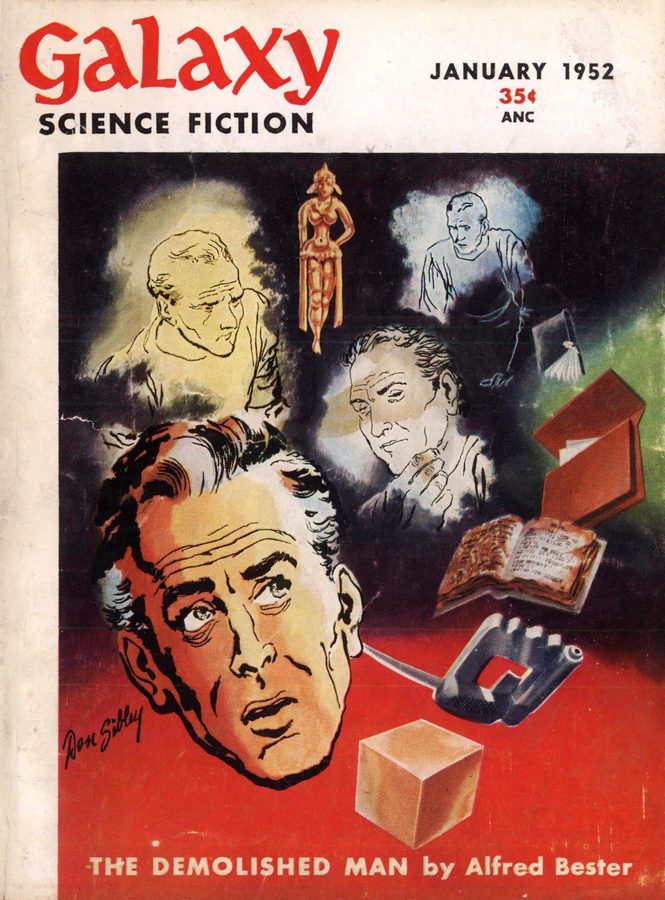


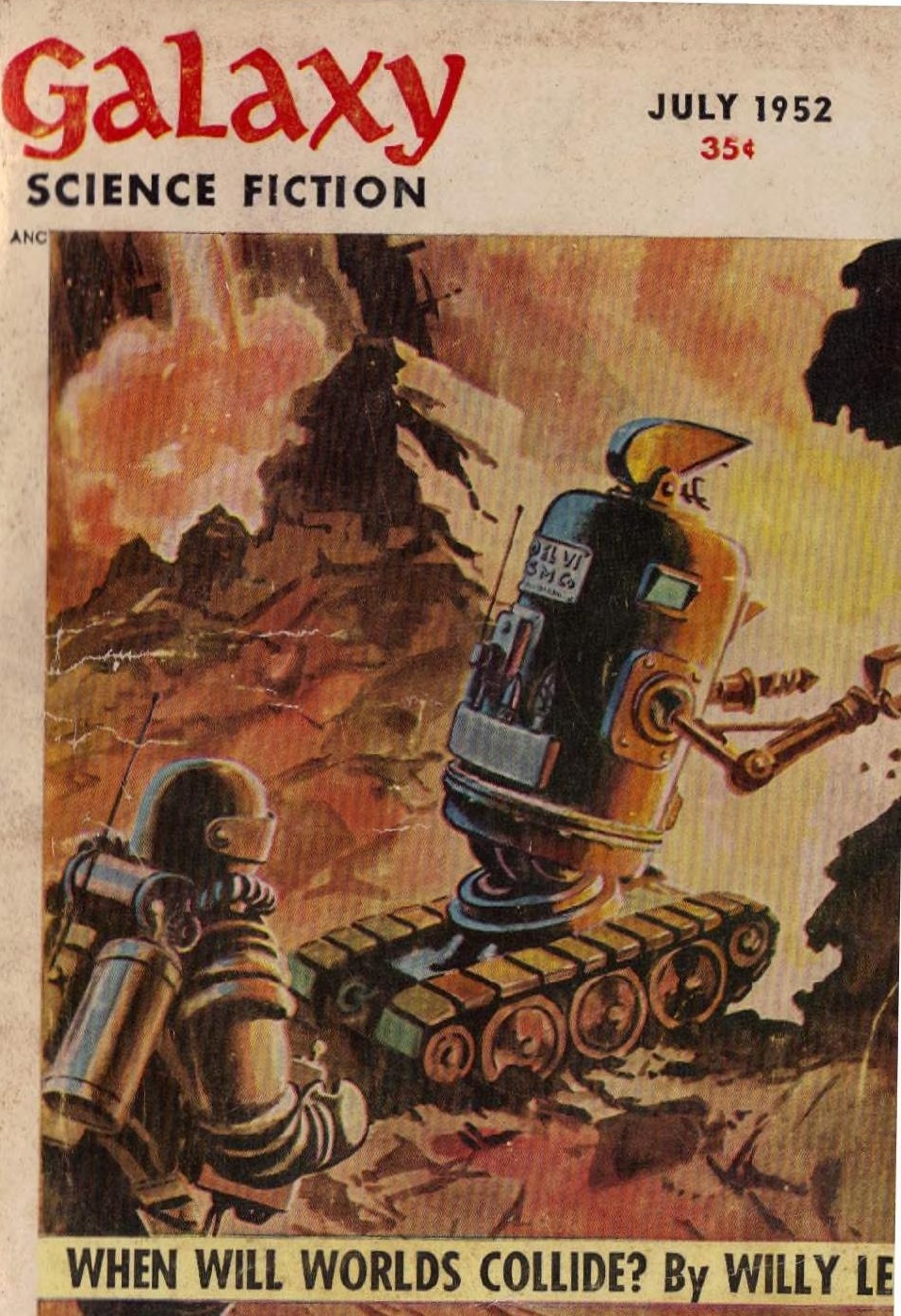
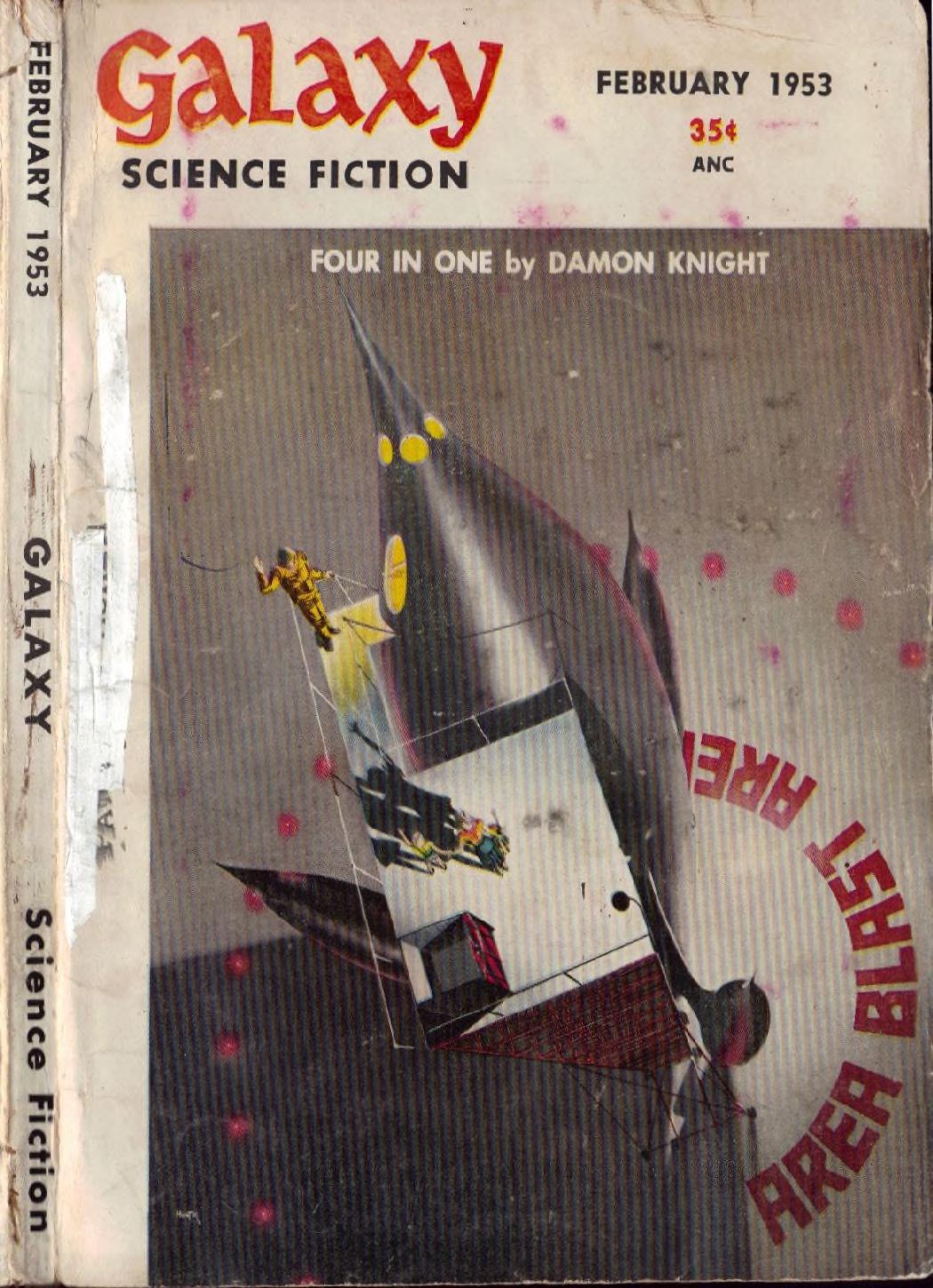
Covers: Astounding Science Fiction (Jan 1950; Mar 1947, cover art by Hubert Rogers) and Galaxy Science Fiction (Dec 1957; Jan 1952, cover art by Don Sibley; Jul 1952; Feb 1953) · Space Science Fiction (May 1953) · “Isaac Asimov’s robot” by Vishchun, Wikimedia Commons, CC BY 4.0.
Let's talk
Get in touch
The best way to reach us is Discord — as a consortium, someone is always around to respond. You can also email or call.
Join us on Discord- LocationColorado Springs, CO 80903